Debt Management: A Complete Guide to Taking Control of What You Owe
Emily Clark
Table of Contents
- •What Is Debt Management?
- •Debt Management vs. Debt Settlement: Understanding the Difference
- •The 7 Core Debt Management Strategies
- •1. Build a Complete Debt Inventory
- •2. Create a Zero-Based Budget
- •3. The Debt Avalanche Method
- •4. The Debt Snowball Method
- •5. Debt Consolidation
- •6. Formal Debt Management Plan (DMP) Through a Credit Counsellor
- •7. Hardship Programs
- •The Pros and Cons of a Formal Debt Management Plan
- •When Debt Management Alone Isn't Enough
- •How Debt Management Affects Your Credit Score
- •5 Common Debt Management Mistakes to Avoid
- •The Bottom Line
- •Frequently Asked Questions
Every month, millions of Americans sit down to pay their bills and feel the same quiet dread - too many balances, too many due dates, and not enough money to make it all add up. If that sounds familiar, you're not facing a character flaw. You're facing a math problem. And math problems have solutions.
Debt management is the structured process of organizing, planning, and systematically reducing what you owe - before it grows beyond your control. Whether you're carrying $8,000 across three credit cards or $45,000 in personal loans and medical bills, having a concrete debt management strategy makes the difference between treading water and actually reaching dry land.
This guide breaks down everything you need to know: what debt management really means, how the most effective strategies work, and when it's time to bring in professional help.
Key Takeaways
- Debt management is the process of organizing and strategically reducing your outstanding balances using a structured plan.
- It differs from debt settlement - management focuses on full repayment; settlement negotiates balances down.
- Common strategies include the debt avalanche, debt snowball, debt consolidation, and credit counselling.
- A debt management plan (DMP) typically runs three to five years and can lower interest rates and waive fees.
- Professional help exists when DIY approaches aren't enough - and the earlier you seek it, the more options you have.
What Is Debt Management?
Debt management refers to a systematic approach to planning and repaying your outstanding financial obligations. It encompasses everything from building a personal repayment schedule on a spreadsheet to enrolling in a formal debt management plan (DMP) through a credit counselling agency.
At its core, good debt management does four things:
- Gives you a clear, complete picture of every balance, interest rate, and due date.
- Creates a prioritized repayment order based on your financial goals and situation.
- Keeps you from taking on new debt while paying down existing obligations.
- Protects your credit score as much as possible throughout the process.
The average consumer's credit card debt in the second half of 2024 was $6,730, with personal loan balances averaging just over $19,000. Across millions of households, that adds up to an enormous collective burden - one that debt management, applied consistently, is designed to resolve.
For people whose obligations have grown beyond what a personal spreadsheet can fix, exploring professional debt relief options is often the most effective first step.
Debt Management vs. Debt Settlement: Understanding the Difference
These two terms are frequently confused, and the confusion can lead people to choose the wrong strategy for their situation.
Debt management is a structured repayment plan. You typically pay back the full amount owed, but creditors may reduce your interest rate or waive certain fees to help you succeed. Your credit score takes a smaller hit than with more aggressive strategies, and the process builds healthy financial habits over time.
Debt settlement, by contrast, involves negotiating with creditors to accept less than the full balance owed - often a lump-sum payment significantly below the original amount. Debt settlement is the process of negotiating with creditors to reduce the amount you owe and pay it off in one lump sum - it involves a lot of work and may take years to accomplish.
The right choice depends on your specific situation:
| Factor | Debt Management | Debt Settlement |
|---|---|---|
| Total amount owed | Full balance repaid | Reduced balance negotiated |
| Credit impact | Moderate, recovers faster | More significant, longer recovery |
| Timeframe | 3-5 years | 2-4 years typically |
| Best for | Manageable debt, stable income | Significant hardship, past-due accounts |
If your accounts are already past due and creditors are calling daily, collection protection services can stop those calls within 72 hours while a proper strategy is built around your real situation.
The 7 Core Debt Management Strategies
1. Build a Complete Debt Inventory
You cannot manage what you cannot see. Before any strategy can work, you need a full accounting of every debt you carry: creditor name, balance, interest rate, minimum payment, and due date. Most people carrying multiple debts are surprised by the total when they write it all down.
This inventory becomes the foundation of every decision that follows - which debt to attack first, what your realistic monthly capacity is, and where you can realistically make progress fastest.
2. Create a Zero-Based Budget
Debt management without a budget is like trying to empty a bathtub with the tap still running. A zero-based budget assigns every dollar of your income a specific job - including a dedicated allocation toward extra debt payments. When you know exactly where your money is going, you find the gaps that can be redirected toward freedom.
Start with your non-negotiable fixed expenses (rent, utilities, minimum debt payments). Then evaluate every discretionary category with fresh eyes. Even modest reductions - cutting subscriptions, reducing dining out - can free up $200–$400 per month that compounds significantly when applied to high-interest balances.
3. The Debt Avalanche Method
The debt avalanche is mathematically the most efficient debt management strategy. You make minimum payments on all accounts and throw every extra dollar at the debt carrying the highest interest rate. Once that's eliminated, you roll that payment to the next highest-rate debt.
Because you're eliminating the most expensive debt first, you pay less total interest over the life of your repayment - often thousands of dollars less. The downside: if your highest-rate debt also carries a large balance, it may take a long time before you feel any tangible wins. For people who need psychological momentum, the snowball method below may be a better fit.
4. The Debt Snowball Method
The snowball targets your smallest balance first, regardless of interest rate. You make minimum payments everywhere else and focus all extra dollars on eliminating the smallest account. When it's gone, you roll that full payment to the next smallest.
With the debt snowball, you prioritize debts with the lowest balance first, making extra payments toward this debt while paying the minimum amount on the rest. The wins come faster, and for many people, the motivational boost of eliminating accounts is worth the modest extra interest cost compared to the avalanche.
5. Debt Consolidation
Debt consolidation merges multiple balances into a single loan - ideally at a lower interest rate than your existing accounts' average. If you're managing five credit cards at 22–26% APR and qualify for a consolidation loan at 12%, the interest savings can be substantial.
The critical caveat: consolidation only works if you stop using the credit cards you've just paid off. Rolling balances into one loan, then rebuilding the original card balances, is a trap that leaves you worse off than where you started. If you're considering this path, it's worth getting a personalized strategy session to model whether consolidation or settlement will cost you less in total.
6. Formal Debt Management Plan (DMP) Through a Credit Counsellor
A formal DMP involves working with a nonprofit credit counselling agency that negotiates on your behalf with creditors. The agency consolidates your monthly payments into one, distributes funds to each creditor, and often secures reduced interest rates or waived fees as part of the arrangement.
A credit counsellor uses their expertise to construct a debt management plan, negotiate with lenders on your behalf, and lay out a payment schedule to get you debt-free over the next three to five years - typically, you'll make a single monthly payment to the agency each month, which it then distributes to your creditors.
DMPs typically run three to five years and require you to stop using credit accounts included in the plan. They work best for people with unsecured debt who have a stable income and need structure more than balance reduction.
7. Hardship Programs
Many creditors offer hardship programs that temporarily adjust your terms - reducing your minimum payment, pausing interest charges, or waiving late fees - when you can demonstrate genuine financial difficulty. These programs are rarely advertised. You must call and ask.
Hardship programs are most useful as a bridge: they give you breathing room while you build a longer-term plan. If you're behind on payments and feeling overwhelmed, credit card relief options through a specialist can often achieve more favorable terms than calling creditors on your own.
The Pros and Cons of a Formal Debt Management Plan
Before committing to a formal DMP, it's worth understanding both sides clearly.
Advantages:
- A single monthly payment replaces multiple due dates, reducing cognitive load and missed payments.
- Creditors often agree to reduced APRs - sometimes as low as 6–9% - as part of the DMP arrangement.
- You have a defined payoff date, which provides psychological clarity and motivation.
- Late fees and over-limit fees are frequently waived.
- You build responsible repayment habits that outlast the plan itself.
Disadvantages:
- You generally cannot use the credit accounts included in the plan while it's active.
- There is typically a monthly fee for the counselling agency's services.
- Nearly all creditors close any account that falls under a DMP, and accounts won't be available to reopen after exiting the plan.
- Some creditors may decline to participate.
- It takes three to five years of consistent follow-through.
When Debt Management Alone Isn't Enough
There are situations where a structured repayment plan - however well designed - cannot outrun the math. If your total unsecured debt significantly exceeds your annual income, if accounts are already in collections, or if your monthly minimum payments consume more than half your take-home pay, you may need a more aggressive resolution strategy.
In these cases, debt settlement through a certified specialist may reduce your balances by 40–60%, bringing the total owed to a number a realistic repayment plan can actually handle.
For people wondering whether bankruptcy is the only remaining option: 9 out of 10 DebtCares clients avoid bankruptcy entirely. A structured bankruptcy alternative can often achieve the same financial reset - clearing crushing obligations - without the 7–10 year credit shadow that follows a bankruptcy filing. DebtCares is not a law firm and does not provide legal advice; consult a licensed attorney to understand all your legal options.
How Debt Management Affects Your Credit Score
One of the most common concerns people raise about debt management is what it will do to their credit. Here's an honest breakdown:
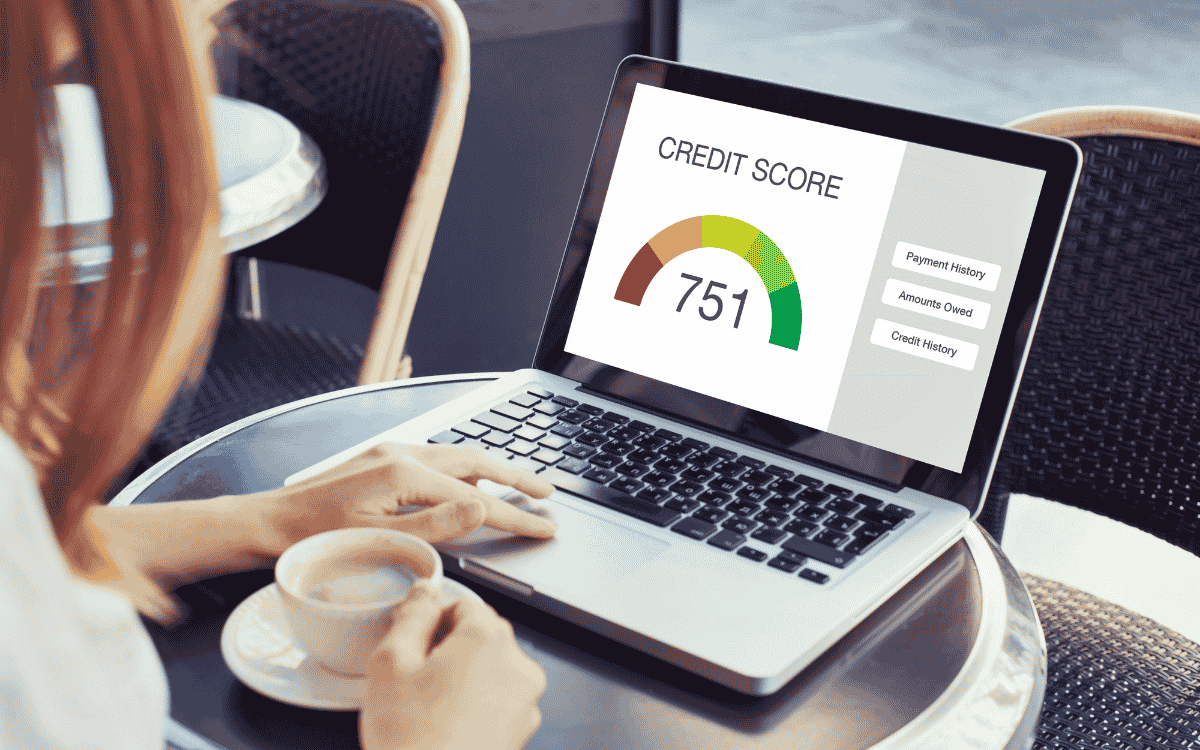
During the plan:
- Opening a DMP or entering credit counselling may appear on your credit report as a notation.
- Closing credit accounts reduces your available credit, which can temporarily raise your utilization ratio and lower your score.
- If you were already missing payments, the negative marks are already accumulating - a DMP typically stops the bleeding.
Over time:
- Consistent, on-time payments through a DMP are reported positively and begin rebuilding your payment history.
- As balances fall, your credit utilization drops - one of the fastest-moving factors in your score.
- Most people who complete a DMP emerge with meaningfully improved credit compared to when they started.
The key insight: a managed decline in your credit score during an active repayment plan is far less damaging than the continued accumulation of missed payments, collections entries, and charge-offs from doing nothing. After resolution, a financial recovery plan with a dedicated 24-month credit rebuild roadmap accelerates the restoration of your score in ways that passive waiting cannot.
5 Common Debt Management Mistakes to Avoid
- Continuing to use credit while trying to pay it down. Every new charge undoes the progress you've made. Freeze the cards, delete the saved payment info, and commit to cash or debit for the duration of your plan.
- Treating all debts equally. Not all debt is equally expensive. Failing to prioritize high-interest balances first costs you significantly more over time.
- Ignoring debt instead of managing it. Silence does not make creditors patient. Unmanaged debts escalate: late fees compound, accounts go to collections, credit scores deteriorate, and lawsuits become possible. The earlier you engage - even through a simple hardship call - the more leverage you retain.
- Choosing a debt management company without research. Not all credit counselling agencies operate in your best interest. Look for nonprofit agencies accredited by the NFCC. If you're working with a for-profit debt relief company, understand the fee structure completely before signing anything.
- Expecting overnight results. Debt management is a multi-year process for most people. Set realistic milestones, track your progress monthly, and celebrate the small wins - each account closed, each balance halved - as genuine victories on the road to freedom.
The Bottom Line
Debt management is not a one-size-fits-all formula - it's a discipline. It starts with clarity about what you owe, builds through consistent strategy, and succeeds through sustained commitment over months and years.
The most important thing is to begin. Every month of inaction allows interest to compound, accounts to age into delinquency, and options to narrow. Whether your next step is drafting a personal repayment schedule, calling a creditor about a hardship program, or starting a free debt demo to understand your full range of options, movement is what changes the math.
Debt is a problem built one charge and one missed payment at a time. It resolves the same way: one decision, one payment, one step at a time.
DebtCares is not a law firm and does not provide legal advice. Enrollment may impact your credit score. Results vary. Programs not available in all states. See full disclosures for applicable terms.
Frequently Asked Questions
Q: How long does a debt management plan typically take?
Most formal DMPs run three to five years, depending on your total balance and the monthly payment amount you can sustain. DIY strategies using the avalanche or snowball method can be faster if you have surplus income to accelerate payments.
Q: Will enrolling in a debt management plan stop collection calls?
A formal DMP doesn't automatically stop calls, but once creditors agree to participate in the plan and payments begin, contact typically reduces significantly. If harassment is your most immediate concern, collection protection through a power-of-attorney arrangement can route collectors away from you within 72 hours.
Q: Can I include all my debts in a debt management plan?
A DMP won't typically include secured debts like auto loans or mortgages - it's primarily designed for unsecured obligations like credit cards and personal loans. Student loans and tax debts also follow their own separate rules and repayment frameworks.
Q: Is debt management the same as debt consolidation?
No. Debt management is a broad term covering any structured approach to repaying debt. Debt consolidation is a specific tactic - combining multiple balances into one loan - that may be part of a debt management plan but is not the same thing.
Q: How do I know if I need professional debt management help or can DIY it?
If your total unsecured debt is manageable relative to your income, your accounts are current, and you have surplus cash flow to apply toward extra payments, a DIY approach may be sufficient. If accounts are past due, collectors are calling, or the math simply doesn't work at your current income level, professional guidance becomes essential. A free debt assessment gives you a clear picture - with no credit score impact - in about 90 seconds.
Q: What's the first step I should take today?
Write down every debt you carry: creditor, balance, interest rate, minimum payment. Total them. Then look at your monthly income after essential expenses. The gap between what you owe and what you can realistically pay tells you which strategy tier you need - and how urgent it is to act.
Related Articles
View allHow to Settle Credit Card Debt: A Step-by-Step Guide
Learn the proven strategies to negotiate with creditors, reduce your principal balances, and eliminate credit card debt for good without bankruptcy.
Debt Relief Options: A Complete Guide to Getting Out of Debt for Good
From debt consolidation loans to settlement programs and credit counseling. Discover the pros and cons of each major debt relief strategy.